Produktanfragen

Fachwissen

Neuigkeiten/Fachwissen

22 Artikel

Maximales Biegemoment: Formeln, durchgerechnete Beispiele und technisches UrteilsvermögenFachwissen

Maximales Biegemoment: Formeln, durchgerechnete Beispiele und technisches Urteilsvermögen

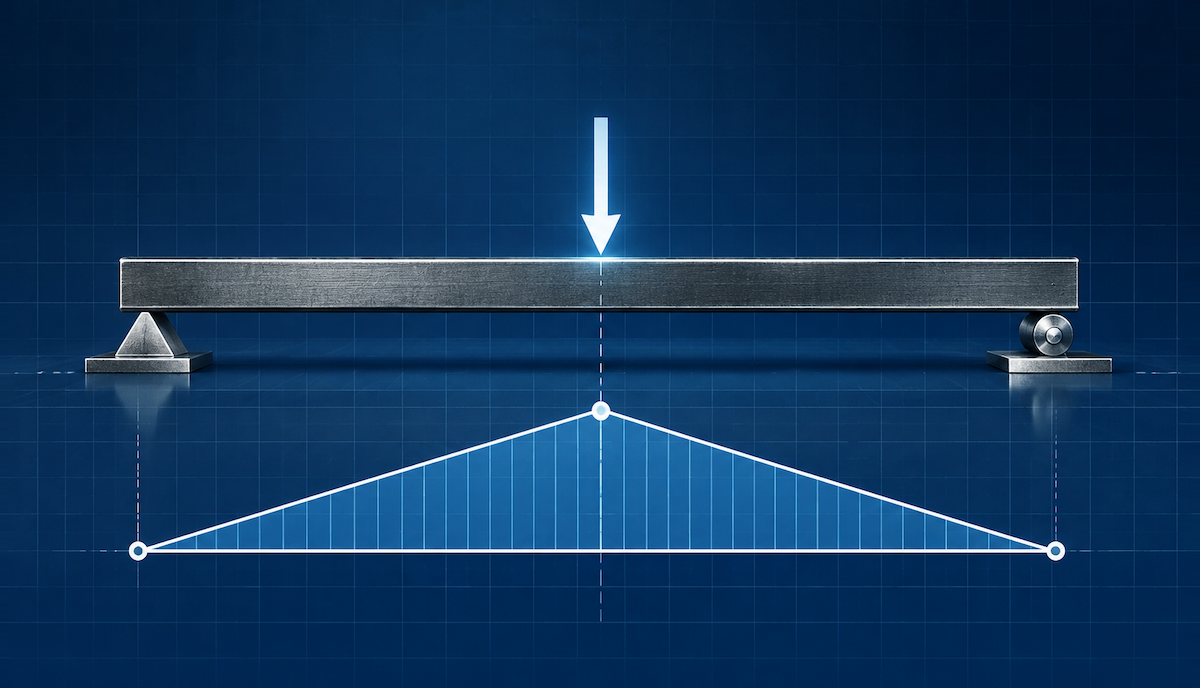
Das maximale Biegemoment gehört zu den ersten Größen, nach denen ein Ingenieur greift – es setzt die Untergrenze für die Profilwahl, steuert die Werkstoffauswahl und die Planung der Maschinenkapazität, und jede nachgelagerte Entscheidung erbt den Fehler, wenn sie falsch ist. Dieser Leitfaden geht den gesamten Rechenweg ab: was ein Biegemoment mechanisch tatsächlich ist; dass sich "maximal" auf zwei verschiedene Zahlen bezieht; warum Auflagerung und Last zuerst festgelegt werden müssen; vier Schritte zur Bestimmung des Maximums; die fünf Formeln, die die meisten Handrechnungsfälle abdecken, samt zwei vollständig durchgerechneten Beispielen; und wie das Ergebnis in eine Biegespannungsprüfung übernommen wird. Er klärt zudem den am häufigsten missverstandenen Punkt: das Fließbeginnsmoment eines Tragwerks ist keine Formkraft einer Abkantpresse. Beide Quelltabellen, jede Formel und jede Zahl bleiben so erhalten, wie sie veröffentlicht wurden.

Lesen Sie mehr
Abkantpressen-Sicherheit: 12 Gefahren, Schutzeinrichtungen und OSHA-AnforderungenFachwissen

Abkantpressen-Sicherheit: 12 Gefahren, Schutzeinrichtungen und OSHA-Anforderungen

Eine Abkantpresse kann sich in einem Bruchteil einer Sekunde mit einer Kraft schließen, die Knochen zerquetscht, und die Hände der Bedienperson befinden sich meist nur wenige Zentimeter von diesem Schließspalt entfernt. Bei einer Abkantpresse fallen Gefahrenbereich und Arbeitsbereich zusammen. Dieser Leitfaden zerlegt die 12 Gefahren, die den meisten Verletzungen an Abkantpressen zugrunde liegen, beschreibt die täglichen Maßnahmen zu ihrer Vermeidung, erläutert, wie Lichtvorhänge und Laserschutz tatsächlich funktionieren, wo trennende Schutzeinrichtungen und Zweihandbedienung an ihre Grenzen stoßen, welche Anforderungen OSHA, ANSI, EN und ISO stellen, und bietet eine Checkliste, die Ihr Bedienpersonal in jeder Schicht durchgehen kann. Beide Vergleichstabellen und sämtliche Normnummern sind unverändert wiedergegeben.

Lesen Sie mehr
Die Werkzeuge der Abkantpresse für das Freibiegen, das Gesenkbiegen und das Prägebiegen: Ein vollständiger LeitfadenFachwissen

Die Werkzeuge der Abkantpresse für das Freibiegen, das Gesenkbiegen und das Prägebiegen: Ein vollständiger Leitfaden

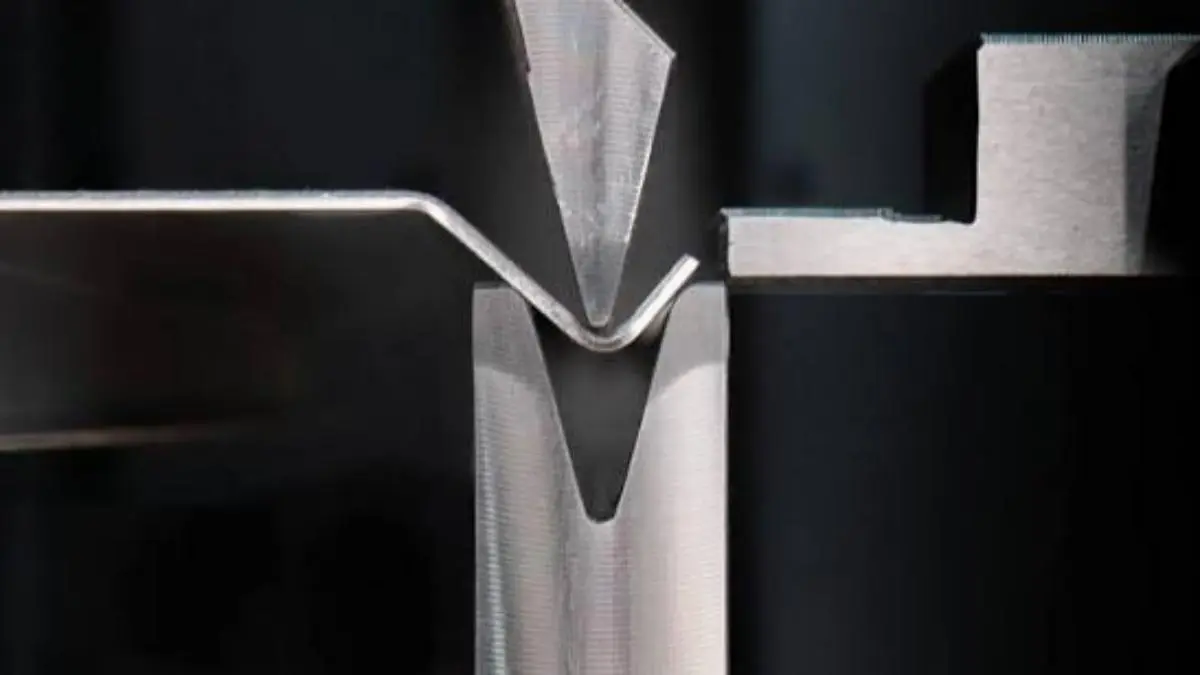
Air bending, bottoming and coining get used interchangeably on the shop floor, but they are three different processes and they need three different sets of tooling. Choose wrongly and the angle drifts, the tooling dies early and the sheet cracks — and none of that is the machine's fault. It starts with mixing up the method. This guide takes the three apart one at a time: how the tooling works in each, what it demands, how to select it, how to manage springback, how the machine type changes the picture, and the five mistakes that cost the most.

Lesen Sie mehr
Probleme der Laserstrahlschneidequalität: Ursache beheben, bevor Leistung nachgelegt wirdFachwissen

Probleme der Laserstrahlschneidequalität: Ursache beheben, bevor Leistung nachgelegt wird

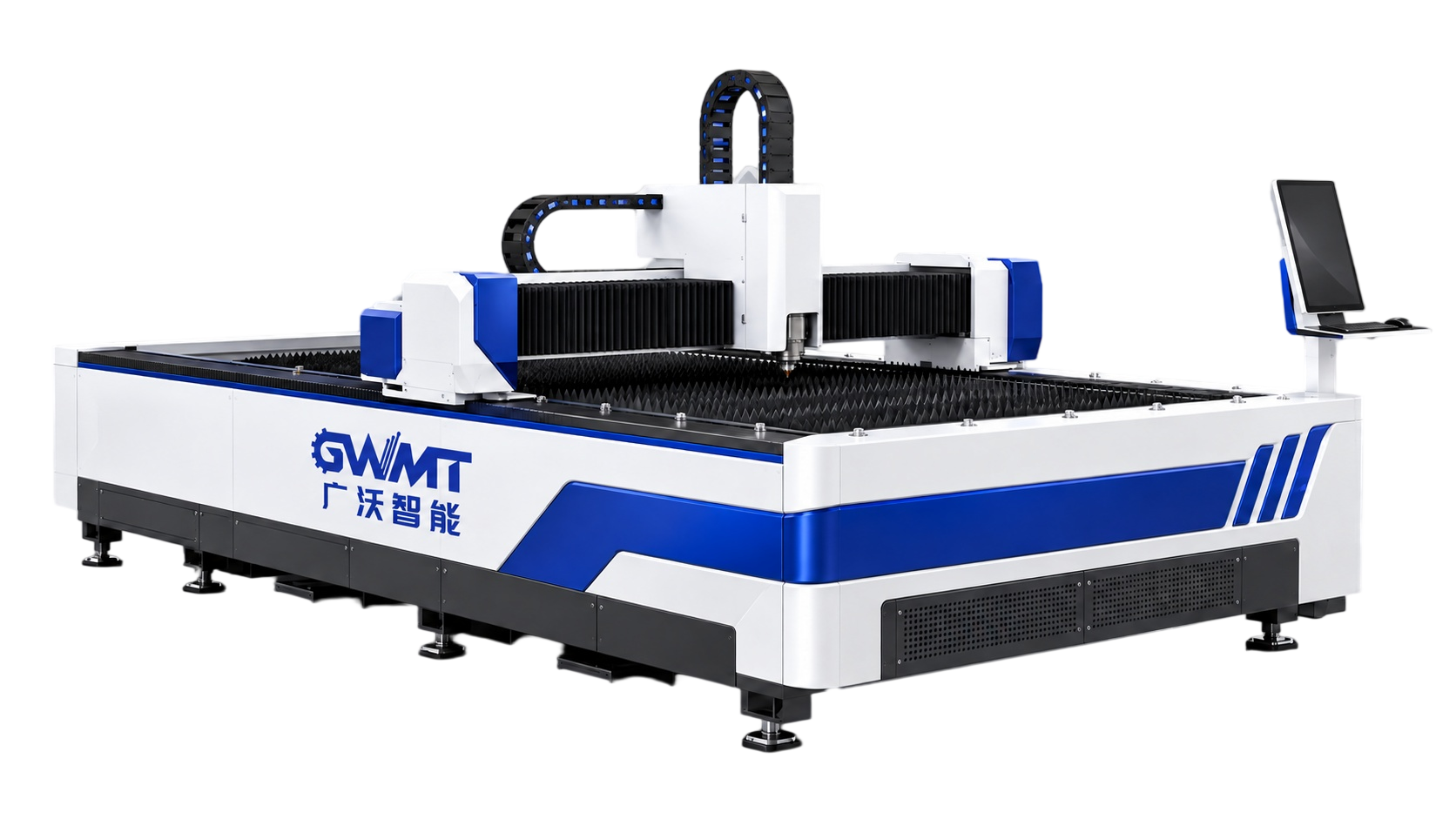
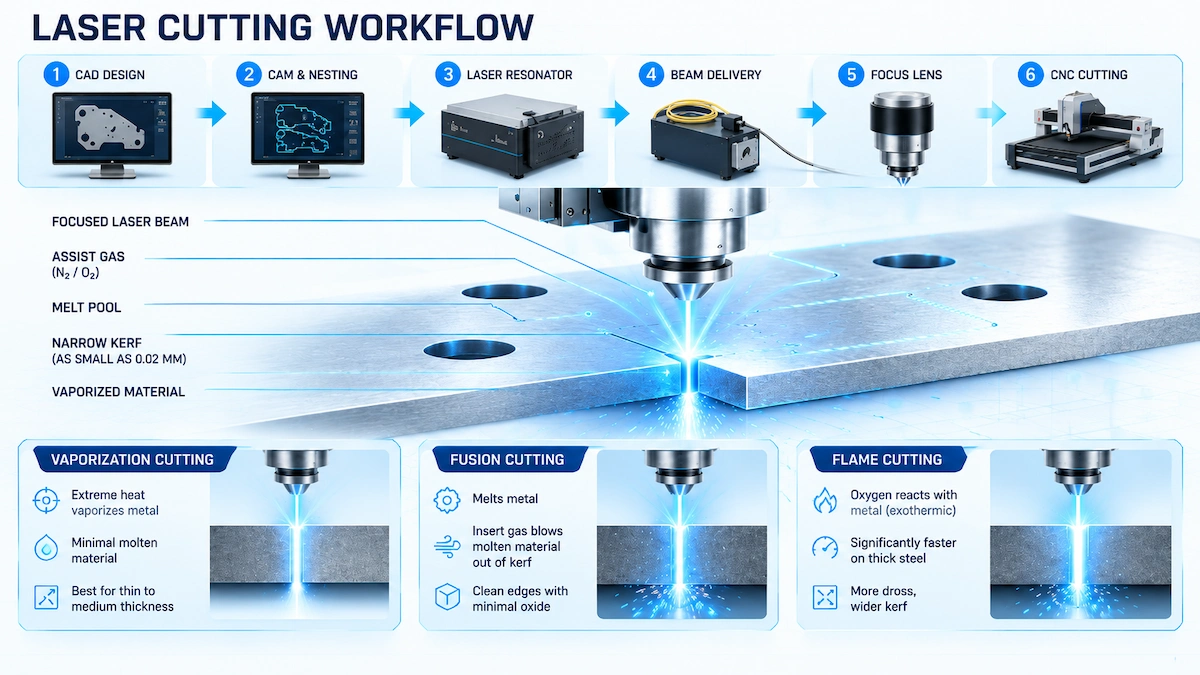
Incomplete cuts, bottom dross, a kerf that is too wide, dross on one side only, burned sharp corners and dimensions that drift: all of these happen every day on the shop floor, and the first reaction in most cases is to add power. Cut quality is never decided by a single parameter. It is the combined result of how laser energy is focused, absorbed by the material and cleared by the assist gas, plus how the machine moves, how the part is programmed and how stable the environment is. This guide takes that chain apart into nine variables, each with what to check first, what to check next and why, and keeps the source seven-row troubleshooting table unchanged so you can work back from the symptom instead of guessing at parameters. Nine chapters cover the physical chain a cut follows, the beam and the focus, gas and nozzle, motion and maintenance, programming and environment, and the guide closes with two points about applying the method to a GWMT machine: published figures are reference ranges rather than a rated commitment, and buying a machine and running it well are two different things.

Lesen Sie mehr
Schneidmesser für hydraulische Blechscheren richtig auswählen: Werkstoff, Geometrie, Bestellung und Kosten pro SchnittFachwissen

Schneidmesser für hydraulische Blechscheren richtig auswählen: Werkstoff, Geometrie, Bestellung und Kosten pro Schnitt

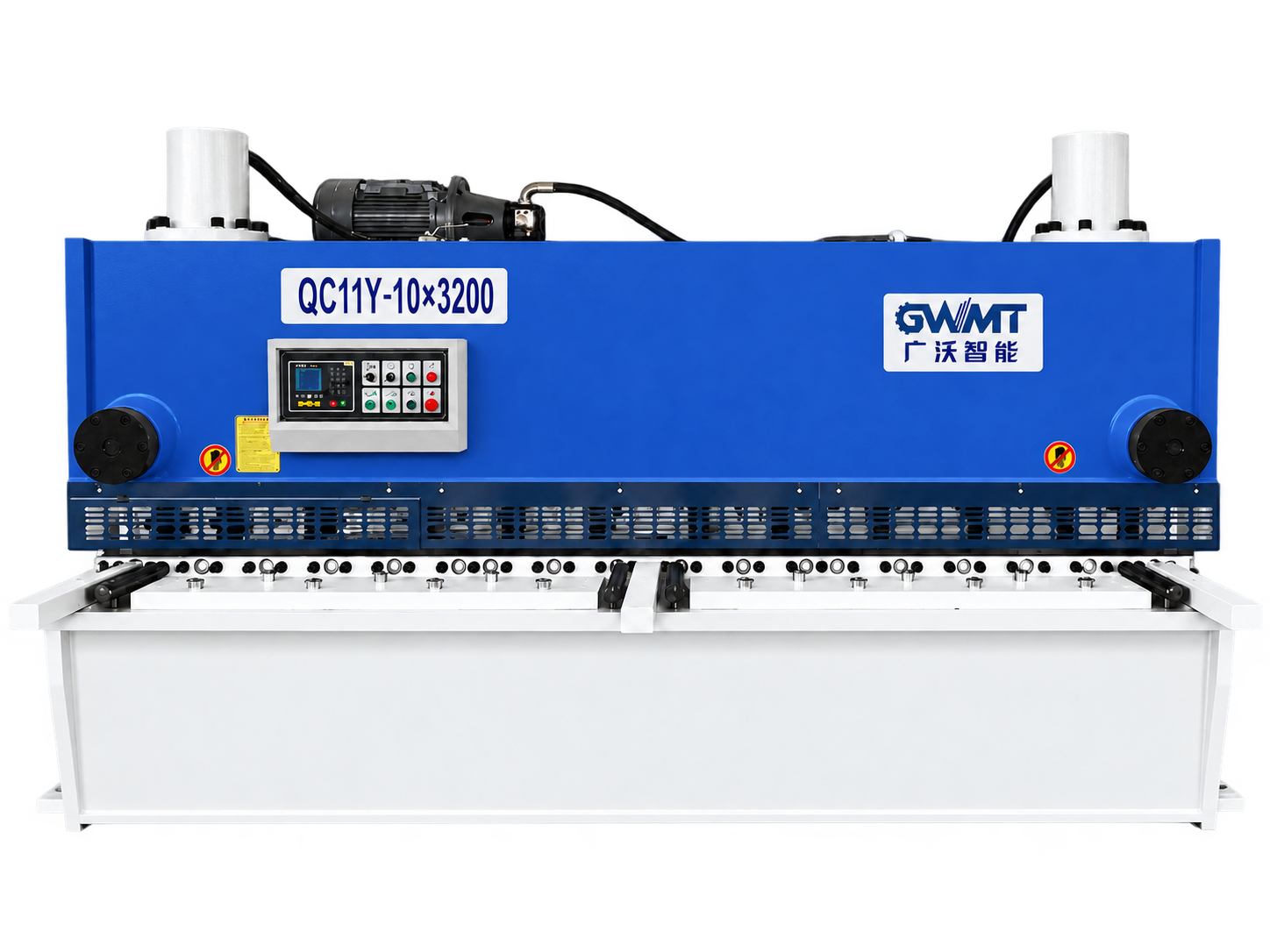
Ein Ersatzmessersatz kostet weit weniger als eine neue Blechschere, aber die Kosten der falschen Messerwahl bleiben unsichtbar: Die Messer versagen nicht beim ersten Schnitt, sie lassen den Grat wachsen, Ausbrüche an der Schneide treten zu früh auf und ein Messer hält deutlich kürzer, als es sollte. Viele Betriebe bestellen dieselbe Nenngröße wie beim letzten Satz und verbrauchen dadurch Messer schneller, als die Maschine es verdient. Dieser Leitfaden zerlegt die Entscheidung in vier Schritte, die in dieser Reihenfolge zu treffen sind: feststellen, welches Messer die Maschine freigibt, das tatsächlich geschnittene Material und die tatsächlichen Produktionsbedingungen beschreiben, Güte und Geometrie passend zu dieser Arbeit und zu der Art des Versagens wählen und schließlich durch Probeschnitte statt durch bloßes Augenmaß validieren. Der Vergleich der vier gängigen Messerwerkstoffe – 9CrSi, die Familie D2/SKD11/Cr12MoV, 6CrW2Si und H13 – wird unverändert übernommen, ergänzt um eine Checkliste zu Maschinenzeichnung, Spalteinstellung und den tatsächlichen Kosten pro Schnitt.

Lesen Sie mehr
Proportionalventil der Abkantpresse: Funktionsweise, Synchronisierung und FehlersucheFachwissen

Proportionalventil der Abkantpresse: Funktionsweise, Synchronisierung und Fehlersuche

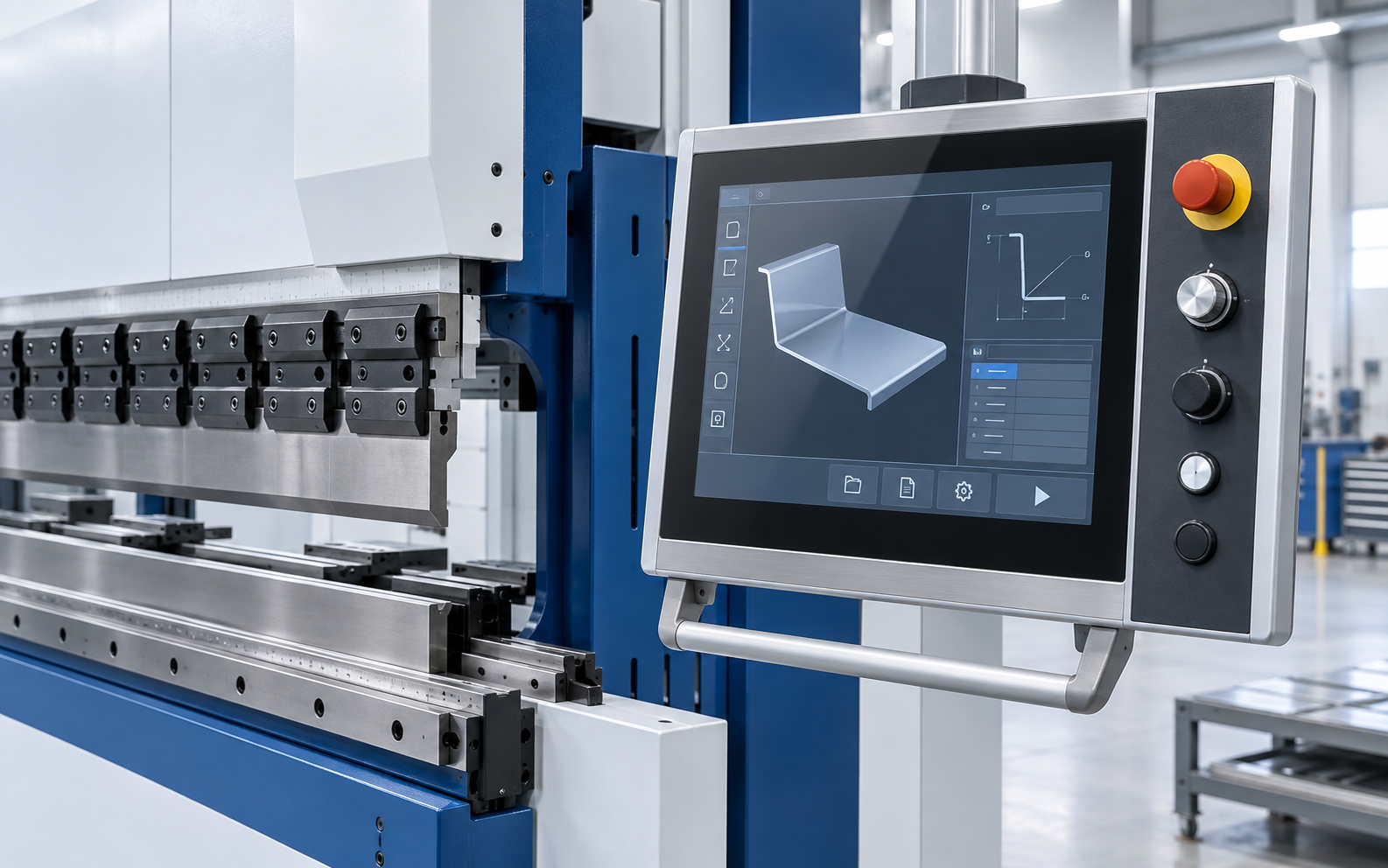
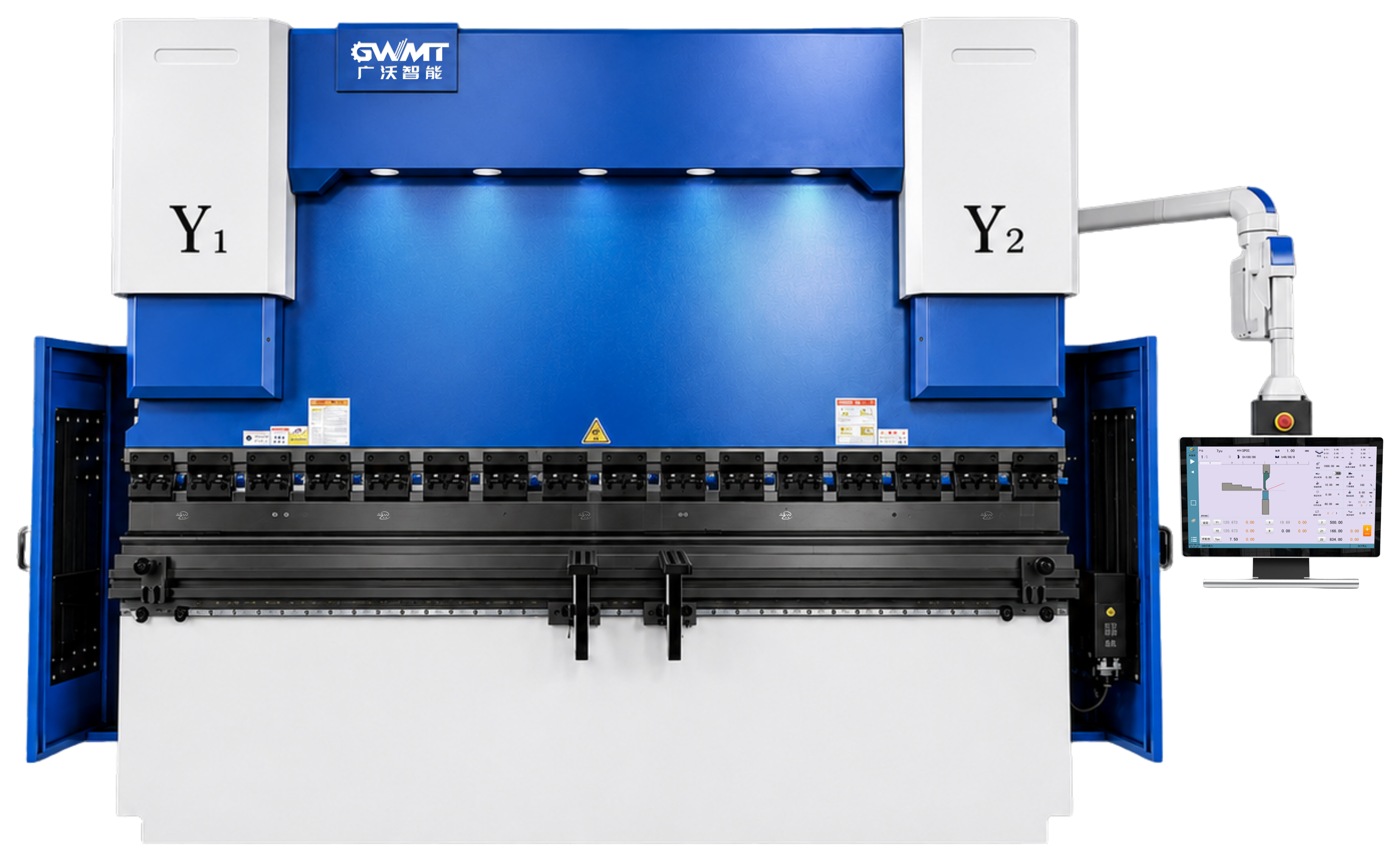
When the ram runs faster on the left than on the right, nine people out of ten will say the proportional valve has a problem. Get to the machine, open it up, and the valve is usually fine: the fault is somewhere else and only shows up as a synchronisation symptom. This guide takes that control chain apart in ten sections: what the proportional valve actually is, how an electrical signal becomes hydraulic flow step by step, what the valve opening is doing at each of the six phases of a bending cycle, how closed-loop Y1/Y2 synchronization keeps the ram parallel, where the real difference between proportional and servo valves lies, how to locate a fault at the correct system layer before anything is disassembled, the five parameter groups a replacement has to match, and whether the ram is safe once the power is off. All four source tables are kept in directly usable form: the two feedback types, torsion-bar against electro-hydraulic synchronization, proportional against servo valve characteristics, and the first-check order for six symptoms.

Lesen Sie mehr
Blechbiegeverfahren: 11 Formarten, Einflussfaktoren und EntscheidungshilfeFachwissen

Blechbiegeverfahren: 11 Formarten, Einflussfaktoren und Entscheidungshilfe

The same 2 mm sheet steel can become a 90 degree bracket, a U channel, a hemmed sealing edge, a stepped offset, or a continuous curve. What decides which method applies is not habit but the part geometry, material and thickness, tolerance, appearance requirement and batch size. This guide sets out the full range of bending methods: the four basic forming modes of V bending, air bending, bottoming and coining, plus the seven dedicated methods of U bending, folding, wipe bending, roll bending, rotary bending, hemming and offset bending. All three source tables, the eleven-method quick reference, the part-scenario mapping and the machine-per-method table, are kept in directly usable form, together with a set of checks to run before releasing a bending drawing.

Lesen Sie mehr
Laserschneidmaschine bedienen: Ein Leitfaden in 10 SchrittenFachwissen

Laserschneidmaschine bedienen: Ein Leitfaden in 10 Schritten

A laser cutting machine can produce thousands of dimensionally identical parts, or it can scrap a full job in its first work order because one startup step was out of order, the focus was off by half a millimetre or the first article was never inspected. This guide breaks the complete operating sequence into ten stages: safety and readiness, startup and homing, CAD/CAM and toolpath, loading and job origin, head calibration, trial cut and first article, production monitoring, troubleshooting, shutdown and routine maintenance. Each stage states what to do first, what to check next, and the conditions that mean you stop and call for service. All three source tables, layer assignment, quick diagnosis and maintenance categories, are kept in directly usable form.

Lesen Sie mehr
15 häufige Fehler an der Abkantpresse: Ursachen, Wirkungen und LösungenFachwissen

15 häufige Fehler an der Abkantpresse: Ursachen, Wirkungen und Lösungen

One shift can turn out thousands of accurate bends and lose them again in minutes because of a few setup mistakes. This guide takes the fifteen most common press brake mistakes apart one by one: what the mistake is, why it happens, what it costs you in parts and money, and exactly how to put it right. From miscalculated tonnage and mismatched tooling to ignored springback, neglected crowning, backgauge drift, CNC programming, first-article inspection, hydraulic warnings and sheet handling, every section stands on its own for quick reference. All four reference tables are kept in directly usable form: material factors, what drives springback, typical springback and overbend values, and the maintenance interval schedule.

Lesen Sie mehr
Der vollständige Leitfaden für Abkantpressen: Typen, Funktionsprinzip, Presskraftberechnung und AuswahlFachwissen

Der vollständige Leitfaden für Abkantpressen: Typen, Funktionsprinzip, Presskraftberechnung und Auswahl

A press brake is the machine that puts a straight line into sheet metal, and it is the most flexible machine on the metalworking floor. This guide covers the whole picture in one place: how the five drive types differ, what every part from frame to backgauge actually does, the five steps of a bending cycle, how tonnage is estimated, how to answer the six selection questions, and the daily maintenance and safety baseline. The key specification list, the tonnage formula with its worked example and the quick match guide are given in directly usable form, and every chapter points to the deeper article that covers one topic in full.

Lesen Sie mehr
V-Matrize für die Abkantpresse richtig auswählen: Acht Schritte, drei durchgerechnete Beispiele und FehlersucheFachwissen

V-Matrize für die Abkantpresse richtig auswählen: Acht Schritte, drei durchgerechnete Beispiele und Fehlersuche

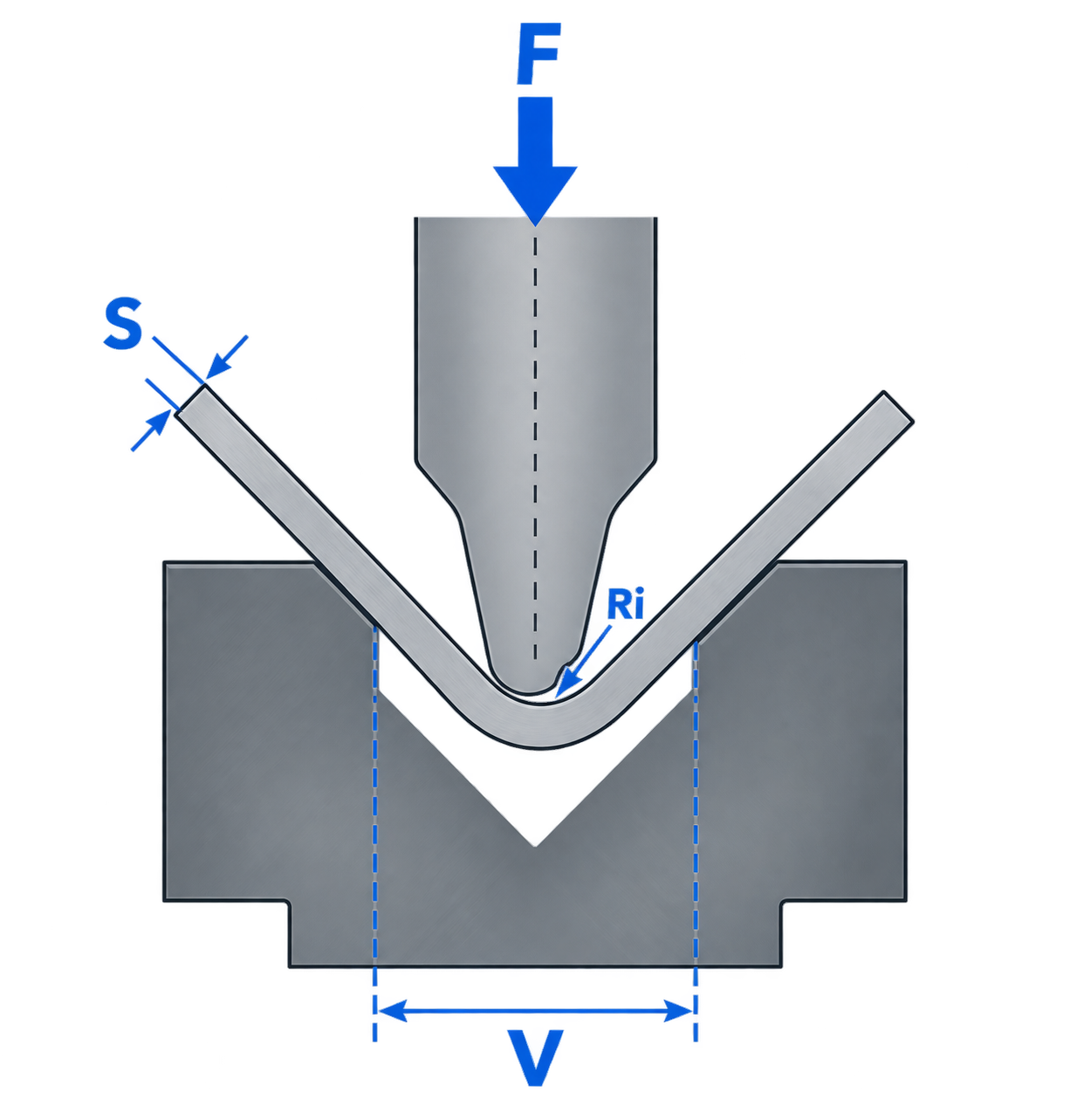
Whether one opening produces acceptable parts depends on whether you check all eight constraints together. This guide turns V-die selection into an executable workflow: fix the bending method, take the starting range for your material, then verify tonnage, inside radius, minimum flange, springback consistency and surface quality before you settle on a slot width, trial bend and record the result. Three worked examples are included - 3 mm mild steel, 3 mm stainless steel and 2 mm aluminium - together with how to work a four-way die, how to diagnose six typical faults, and how to inspect, maintain and store the tooling.

Lesen Sie mehr
Wie man die V-Matrizenöffnung für die Abkantpresse wählt: Tabelle und 8er-RegelFachwissen

Wie man die V-Matrizenöffnung für die Abkantpresse wählt: Tabelle und 8er-Regel

A V opening is not a groove width you pick by feel: it settles the inside radius, the tonnage your press brake must deliver and the shortest flange you can form, all at once. This guide gives a lookup chart for V openings, the Rule of 8 with its material corrections, the 16 % relationship between opening and radius, the tonnage formula with two safety checks, the 0.77 × V minimum flange rule, a five-step selection workflow and the four mistakes that cost the most time.

Lesen Sie mehr