Three-roll and four-roll choices
Grade, width, common thickness, and maximum duty
05 · Plate forming
W11 and W12NC rolling platforms for cylindrical, conical, and curved plate components.
BUILT AROUND THE APPLICATION
GWMT configurations are selected after reviewing part geometry, material behavior, output targets, operator workflow, and the available factory layout.
Grade, width, common thickness, and maximum duty
Diameter, cone angle, straight ends, and tolerances
Allowed flat length and edge preparation expectations
PLATE ROLLING MACHINES RANGE
Select a configuration to compare its role in the product family. Final capacity and options are confirmed against your parts and process.
SELECTED CONFIGURATION
W11 SeriesA robust mechanical three-roll symmetric platform for economical cylindrical and curved plate forming across general fabrication duties.
TYPICAL APPLICATIONS
CONFIGURABLE RANGE
SELECTION FRAMEWORK
A useful proposal begins with production facts. These are the first areas an application review will clarify.
Grade, width, common thickness, and maximum duty
Diameter, cone angle, straight ends, and tolerances
Allowed flat length and edge preparation expectations
Loading, support, overhead lifting, and part removal
PROJECT WORKFLOW
PREPARE FOR A USEFUL DISCUSSION
YOUR APPLICATION GUIDE
Review the part requirements, configuration decisions and acceptance preparation for this machine family.
PRODUCT QUESTIONS
These answers are planning guidance. The final machine, capacity, tooling, safety scope, and acceptance criteria belong in the approved technical proposal.
Part geometry, pre-bending expectation, operator method, plate duty, and repeatability determine the practical roll arrangement.
Diameter-to-thickness ratio affects machine capacity, springback, rolling sequence, and the achievable result.
Yes. Provide large and small diameters, cone length, material, thickness, and acceptable tolerances.
RELATED EQUIPMENT
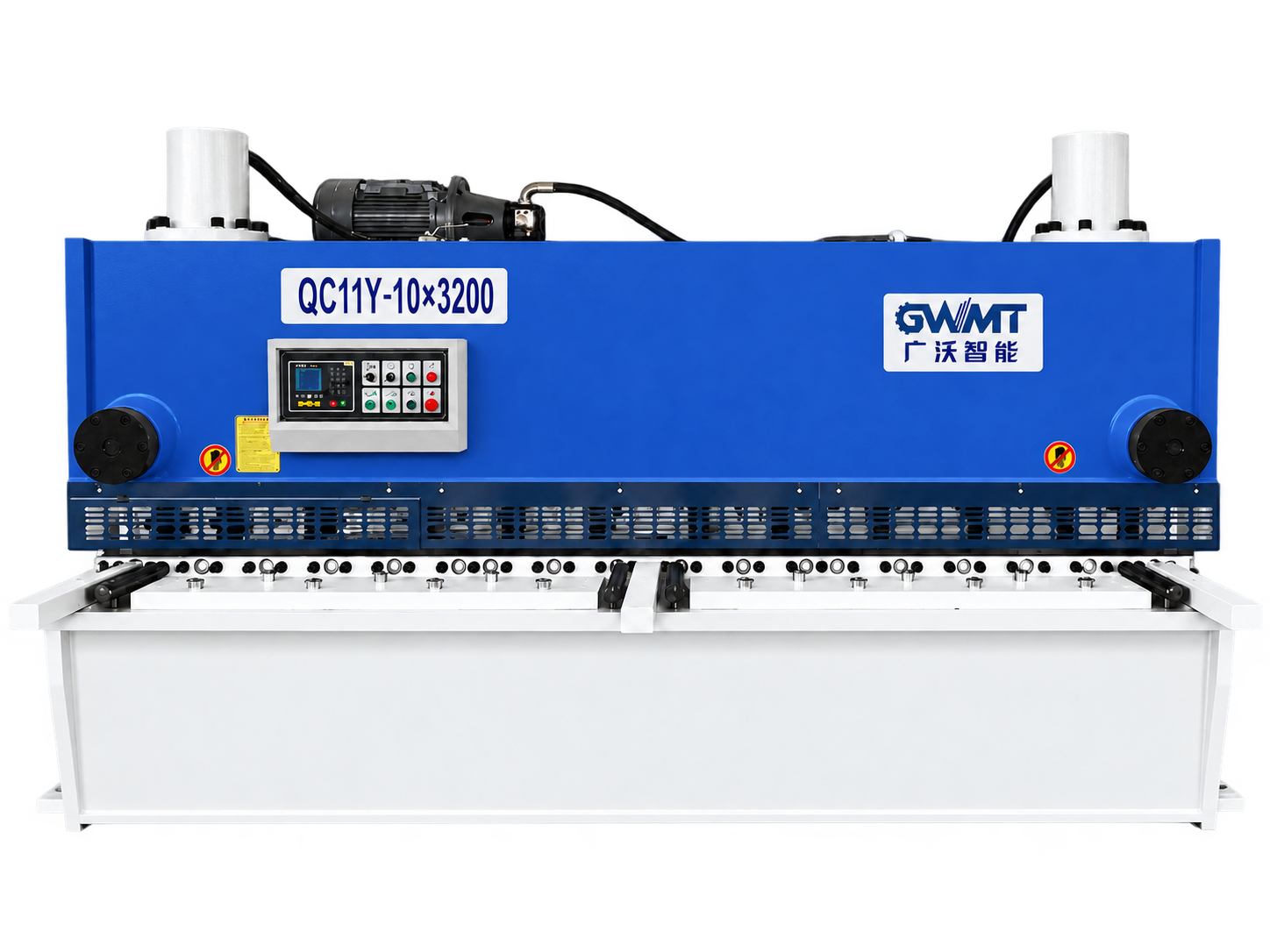
Swing-beam and guillotine shears for efficient, controlled preparation of sheet-metal blanks.
Explore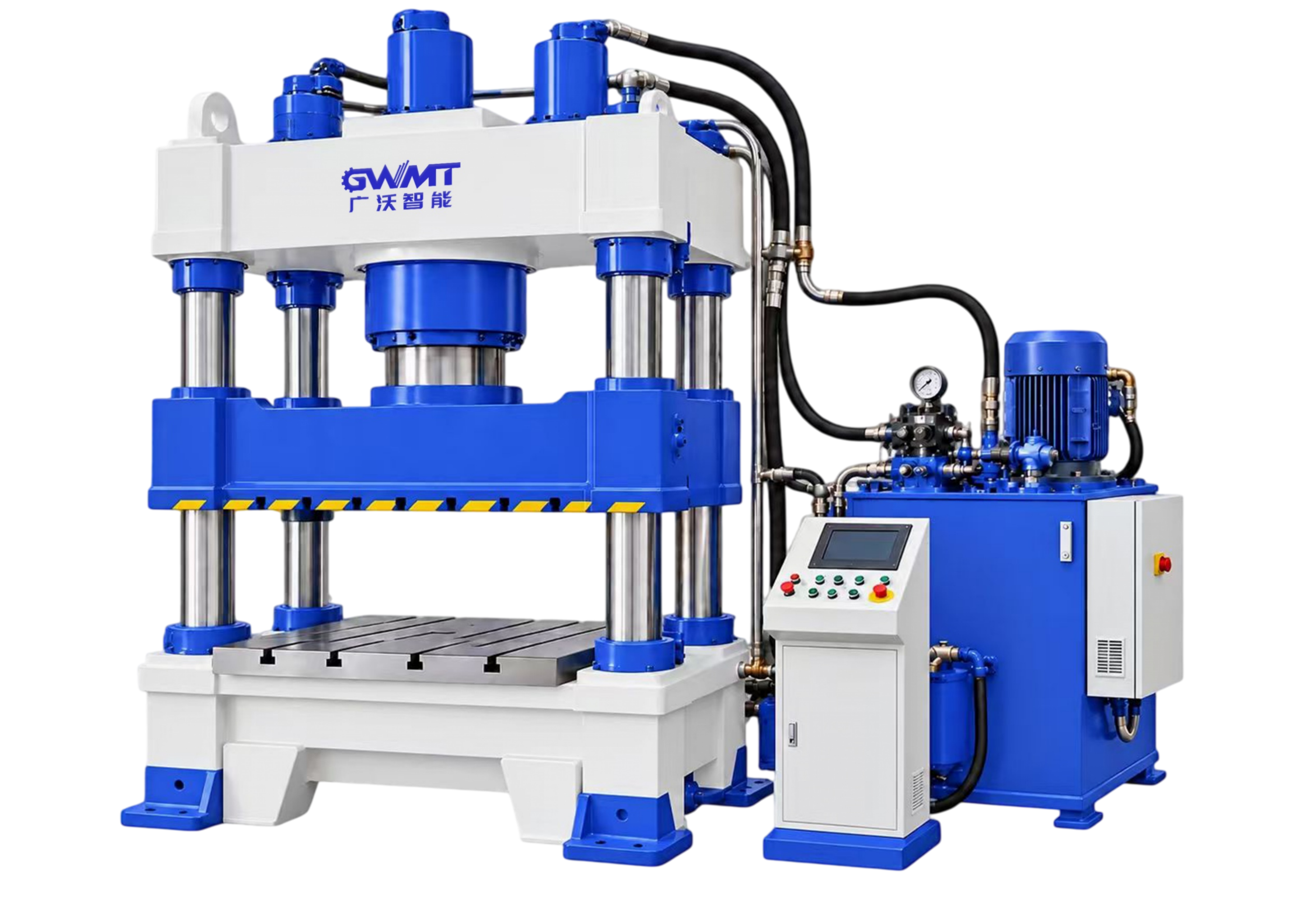
YWF32 four-column hydraulic presses for forming, drawing, straightening, and general pressing.
Explore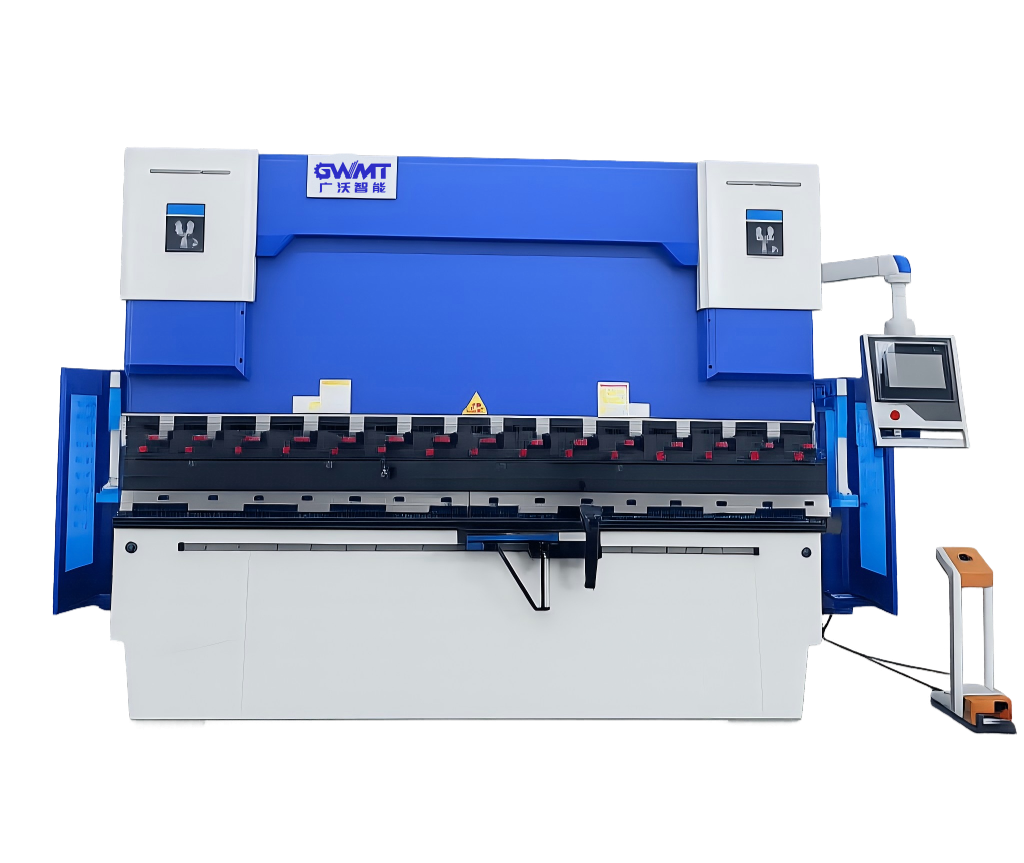
Hydraulic, CNC, and all-electric bending platforms configured for repeatable sheet-metal production.
ExploreTAILORED TECHNICAL PROPOSAL
Share drawings, materials, target output, and current process constraints. An engineer can use them to prepare the next conversation.
TOPIC CLUSTER · Shearing, plate rolling and punching processes
Blade selection for shears, four-roll plate bending principles and electric tryout press applications in sheet-metal production.
These guides explain the process and selection logic. Final machine configuration is confirmed in the technical proposal.
Share your part drawing, material grade, thickness range and target output. GWMT will review the configuration against your application.