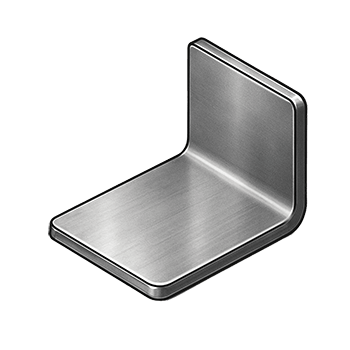
Mark-free bending
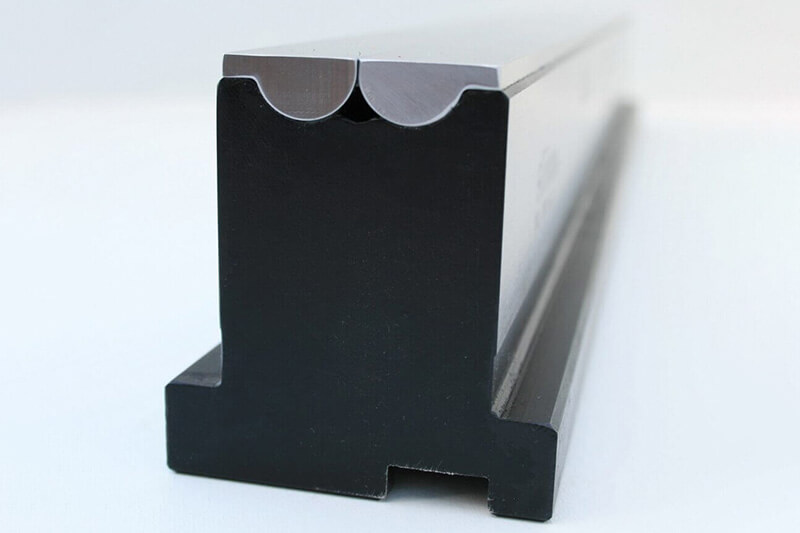
Moving wings support the sheet through the bend, helping reduce contact lines on stainless steel and aluminium surfaces.
Moving wings · Surface protection · Tooling interface matching
Moving wings support the sheet through the bend, helping reduce contact lines on stainless steel and aluminium surfaces.
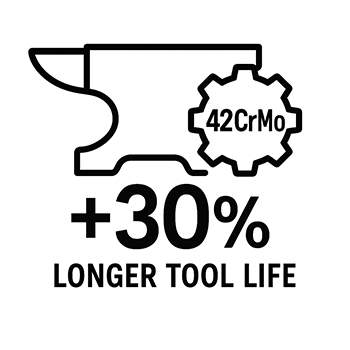
The reference design uses heat-treated 42CrMo for demanding loads. The illustrated 30% tool-life gain is a reference claim, not a universal service-life rating.
A drop-in arrangement simplifies tool changes without additional shims in the reference design. Actual changeover time depends on the installation and workflow.
| Parameter | Reference value | Selection check |
|---|---|---|
| Tool length (single piece) | 1,000–8,000 mm | Working length and segmentation |
| Maximum bending load | 1,000 kN/m | Permissible load for the selected section |
| Working temperature | −20°C–180°C | Actual process and lubrication conditions |
| Surface finish | Ra ≤ 0.2 μm | Contact surfaces and finished-part requirements |
| Hardness | 58–60 HRC | Material and heat-treatment specification |
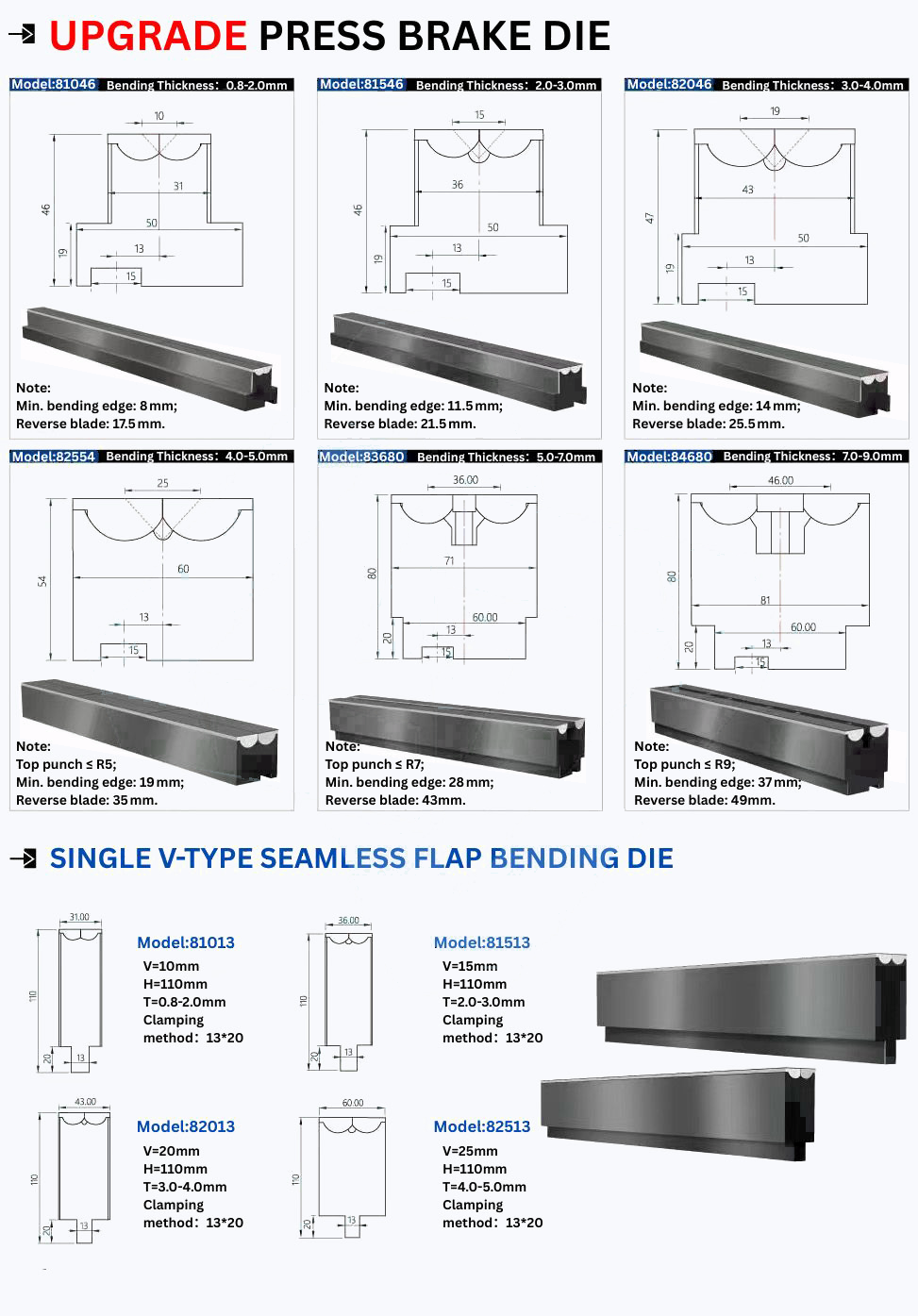
Figures and parameters are selection references. Confirm the supplied model, dimensions, interface and load in the technical proposal.
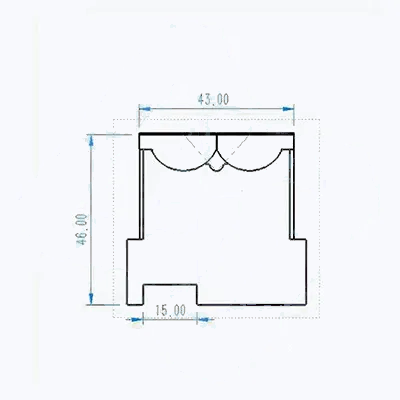
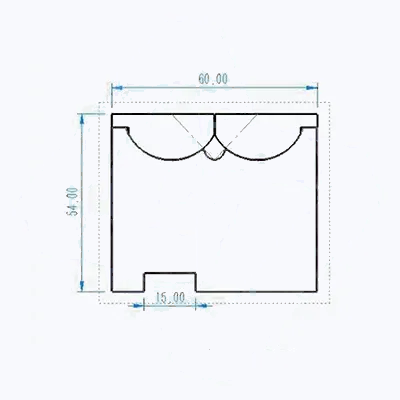
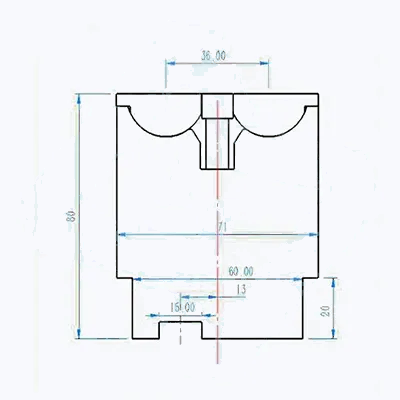
Match the machine holder, working height and existing tooling standard for a suitable GWMT arrangement.
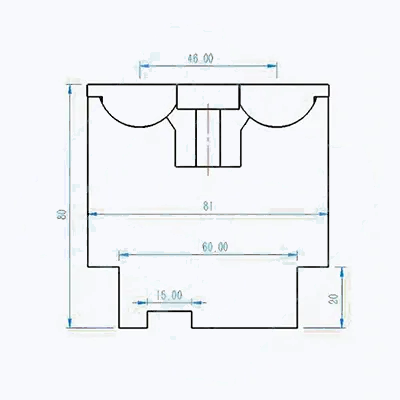
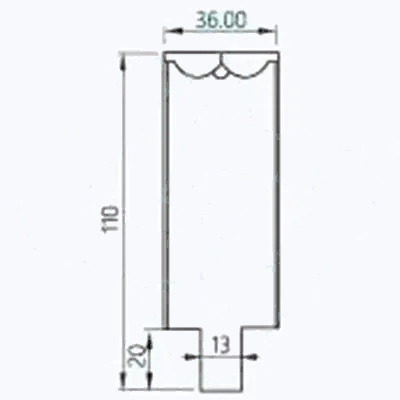
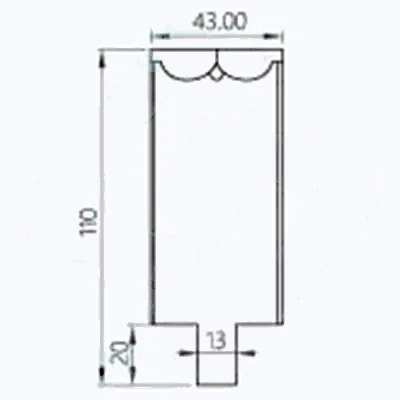
A 13 mm tang and rectangular groove are reference interface features; verify the mounting drawing and positioning requirement.
Reference layouts include a 20 mm tang, dual grooves and automatic clamping. Review compatibility and changeover access for the actual machine.
A 0.500-inch (12.7 mm) tang is a reference option for suitable hydraulic press brakes and general fabrication applications.
 Discuss this reference section
 Discuss this reference section
 Discuss this reference section
 Discuss this reference section
Send the press-brake model, part drawing, sheet material and thickness, surface requirements and current die interface to discuss a suitable flap-die configuration.
Discuss your tooling requirements