01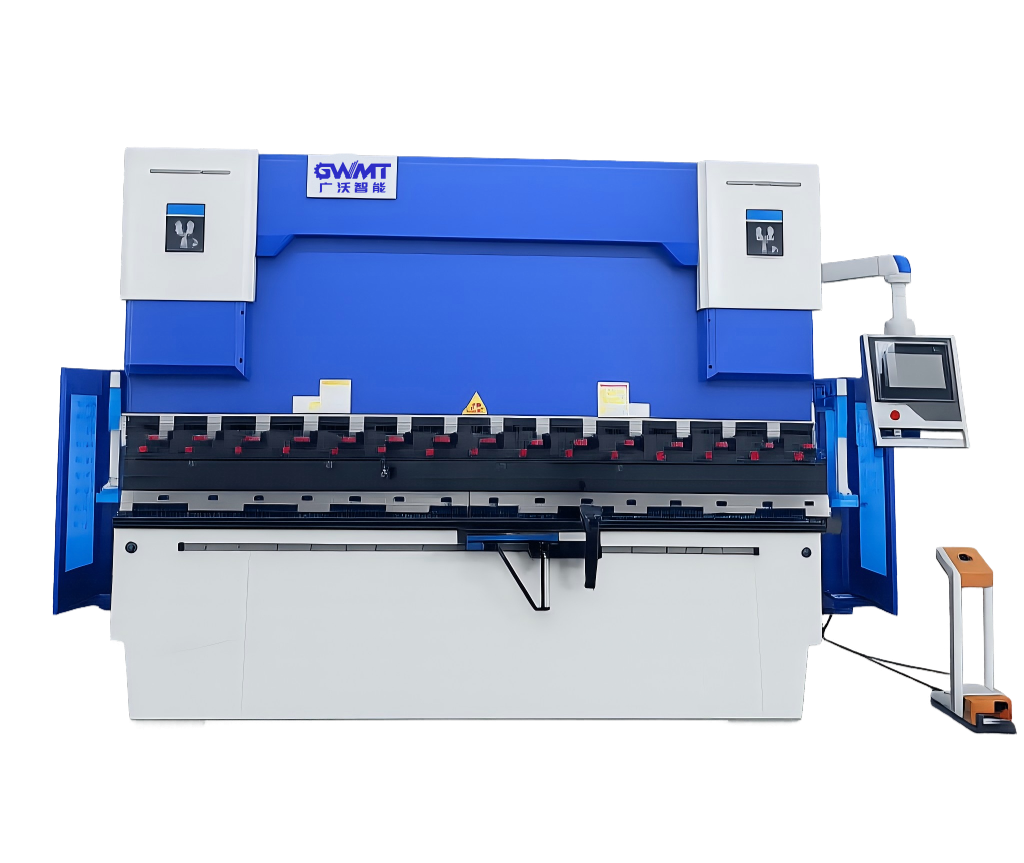
A Practical Guide to Selecting a Press Brake
Start with part geometry, material, working length, tooling, control needs, and acceptance criteria.
GWMT RESOURCE CENTER
Read selection guides and download planning documents. Company-approved videos and exhibition details will be added when available.
TECHNICAL DECISION PATHS
Follow one practical path from preparation to the next useful product, solution, inquiry or service step.
NEW EQUIPMENT DECISION
Start broad, narrow the process family, then compare the practical differences before opening an inquiry.
Find a machine starting pointUse the product-family overview to connect bending, cutting, grooving, rolling, punching and forming work to the right starting category.
Open the overviewChoose the process, incoming material form and workflow priority to reveal three families worth reviewing first.
Open machine finderReview applications, decision factors and preparation needs together; final feasibility still depends on actual parts and agreed criteria.
Start a comparisonRESOURCE LIBRARY
Search titles and topics, or filter by content format. Availability is shown clearly on every item.
Start with part geometry, material, working length, tooling, control needs, and acceptance criteria.
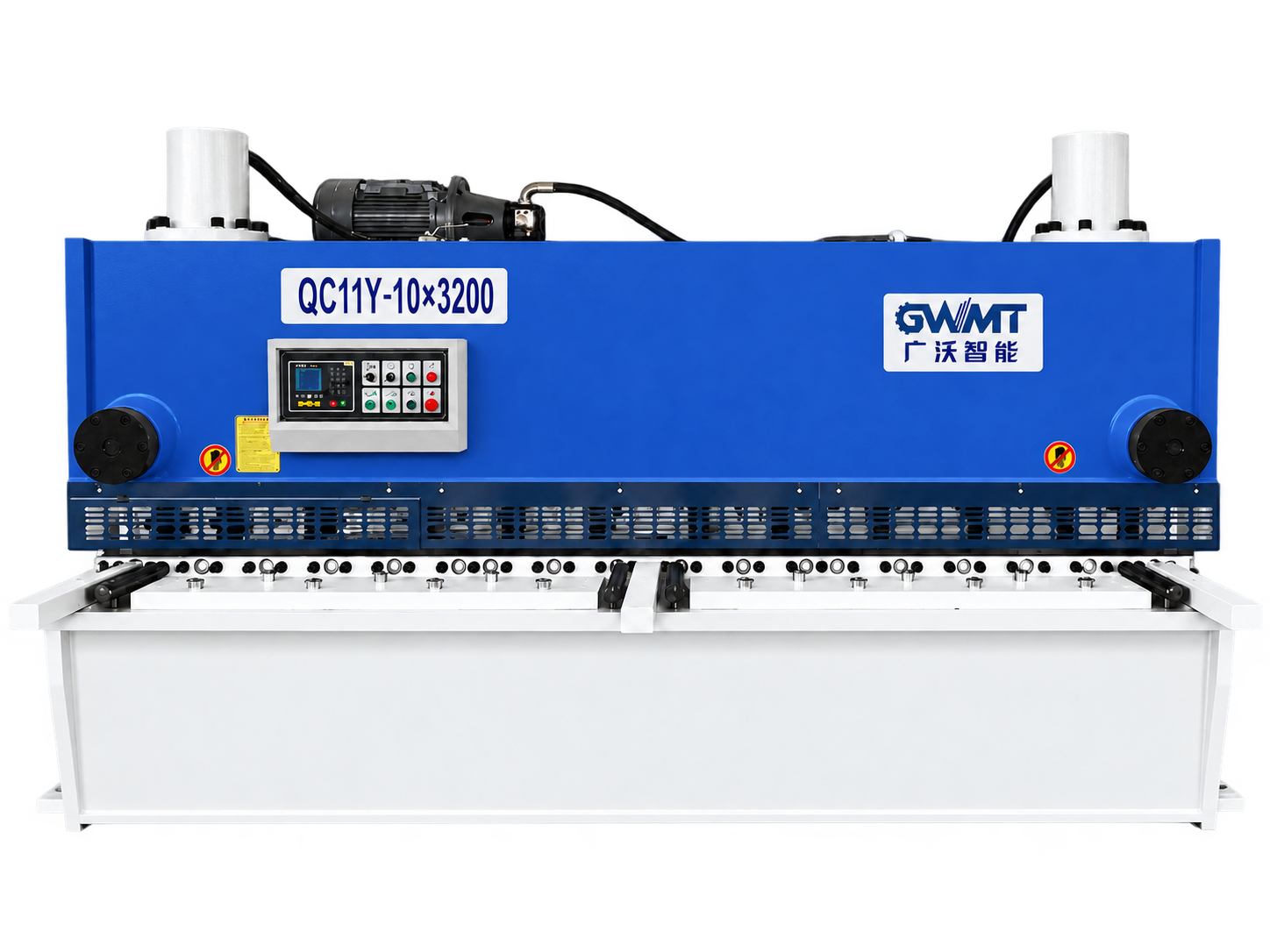
Compare cutting duty, material range, blade setup, backgauge needs, and daily workflow.
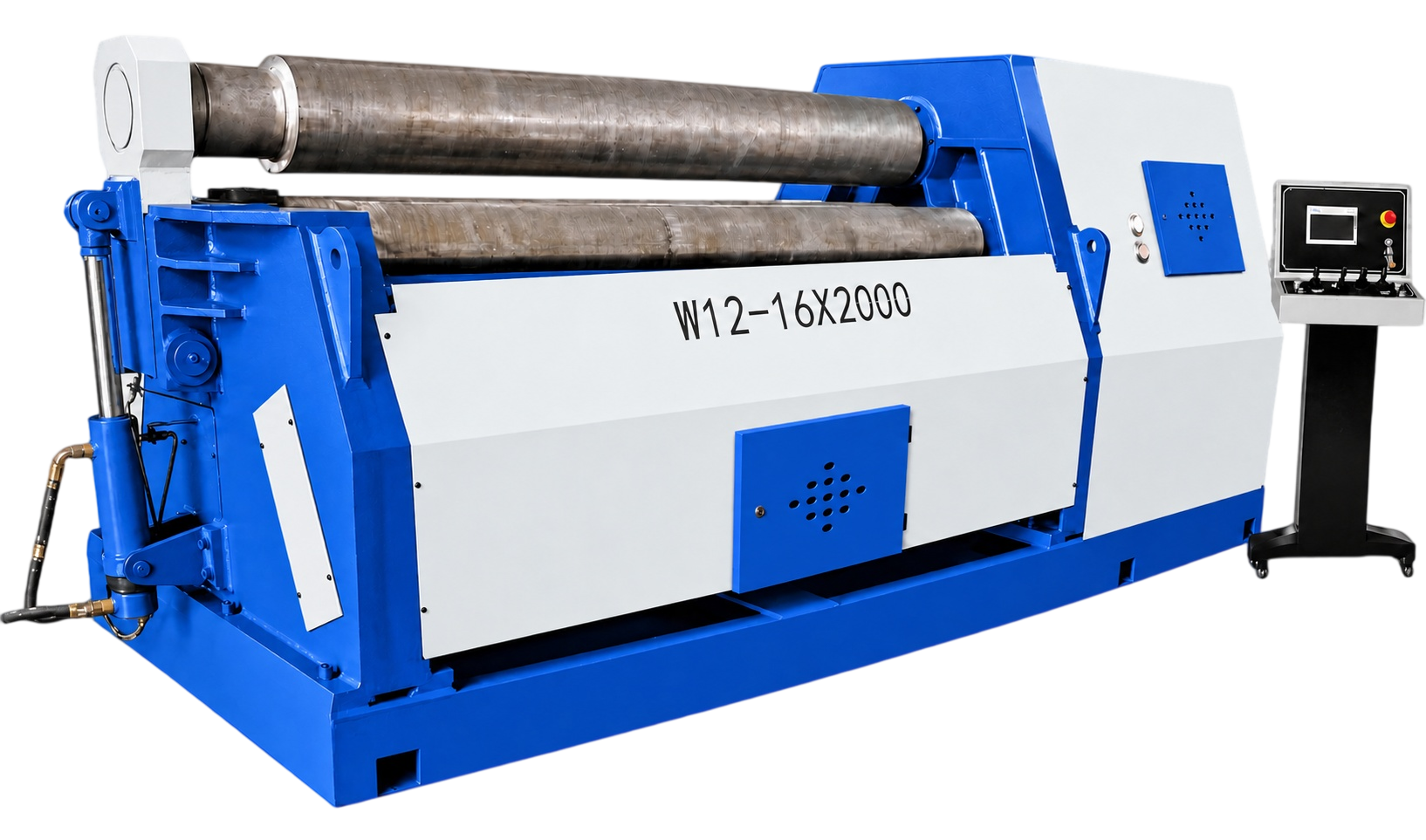
Organize plate grade, thickness, width, finished diameter, pre-bending, and support requirements.
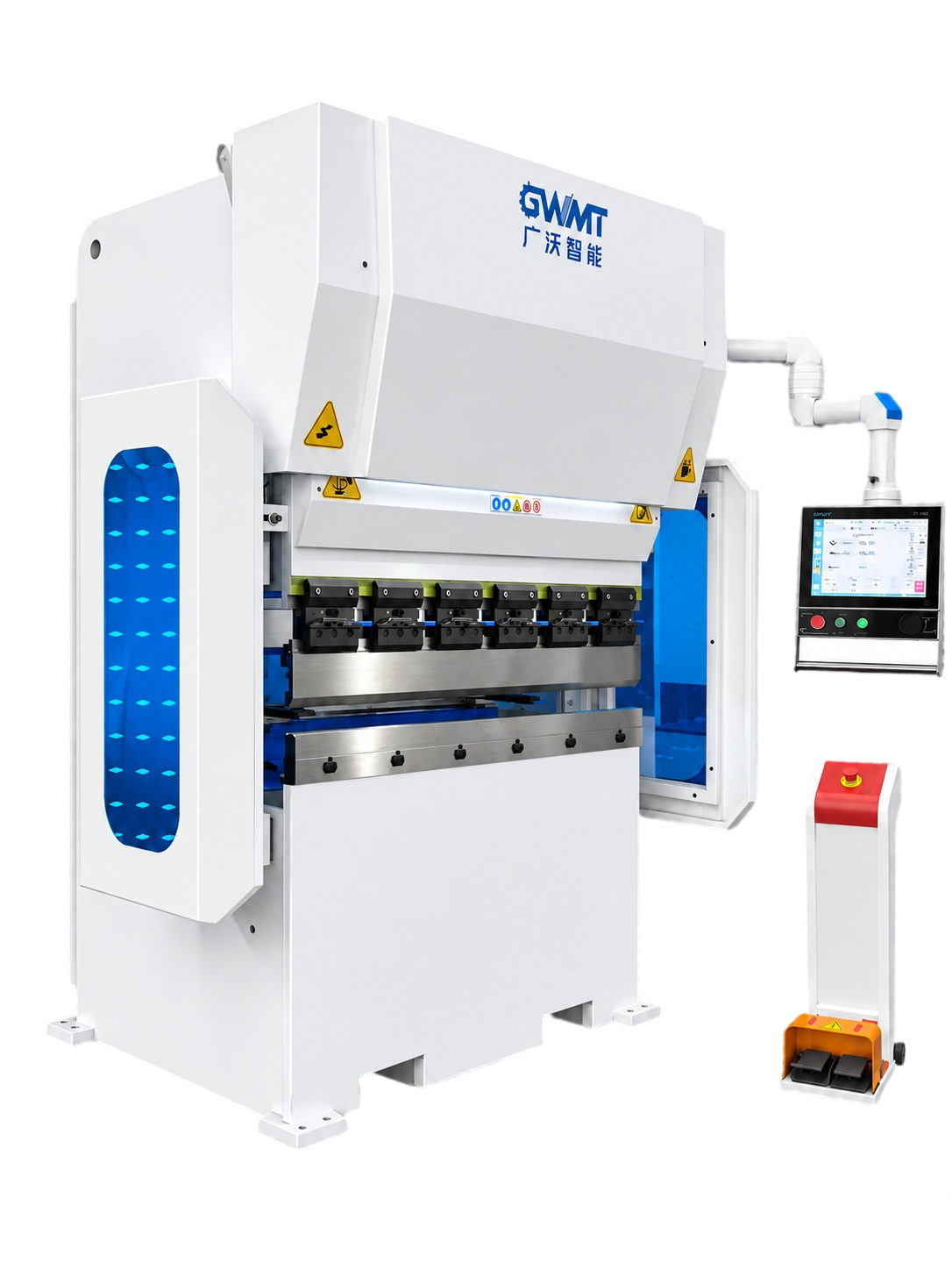
A planned visual comparison of NC, CNC, and EP all-electric press-brake platforms.
A planned walkthrough covering job preparation, cutting, part collection, and process review.
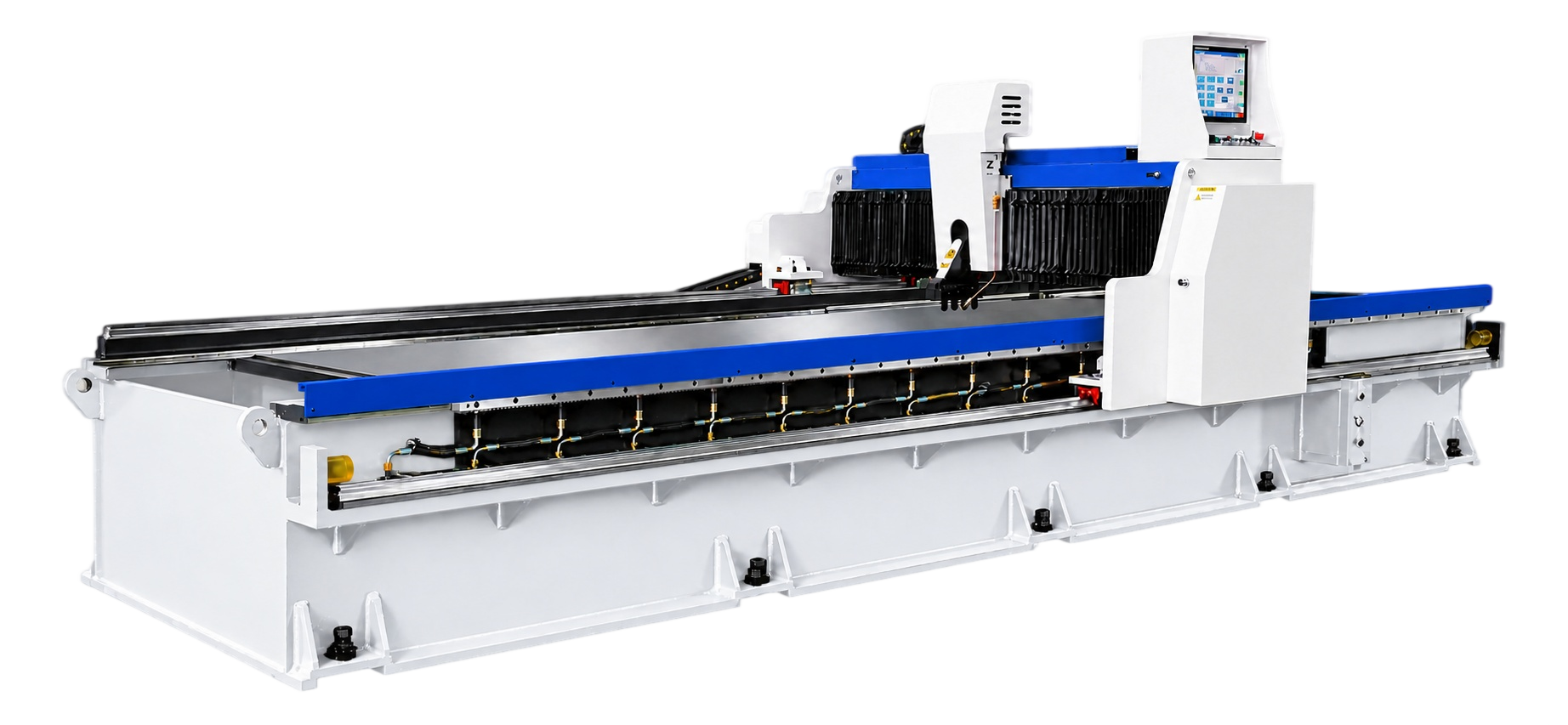
Confirmed exhibition dates, locations, and visit arrangements will be published after company approval.
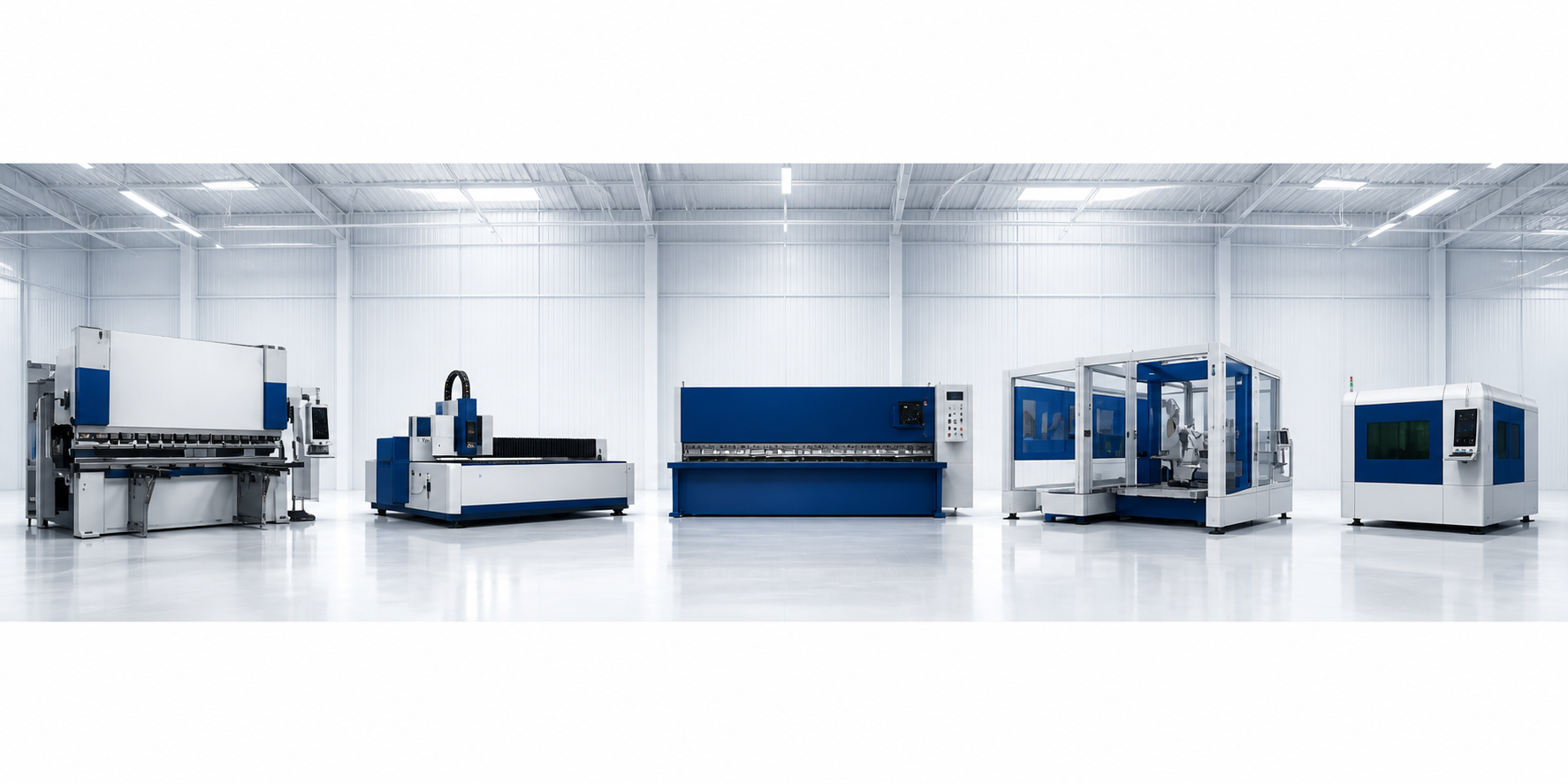
An introduction to the nine GWMT product families, with the information to prepare for each application review.
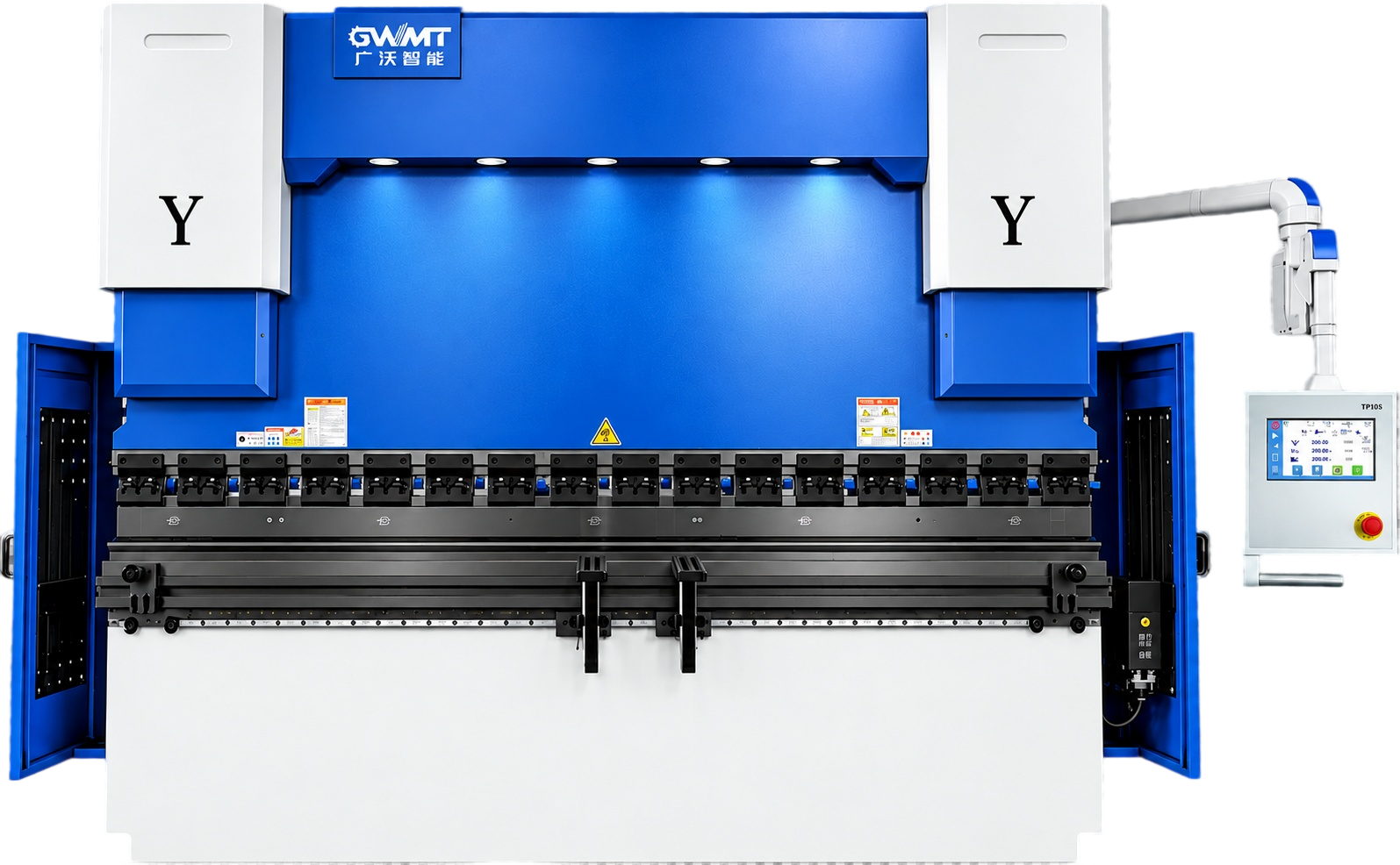
A working checklist for access, utilities, layout, commissioning, training and acceptance preparation.
Build a cutting brief around material mix, profiles, edge quality, site services and sample verification.
Connect groove layout, finished-corner appearance, surface protection and the subsequent bending operation.
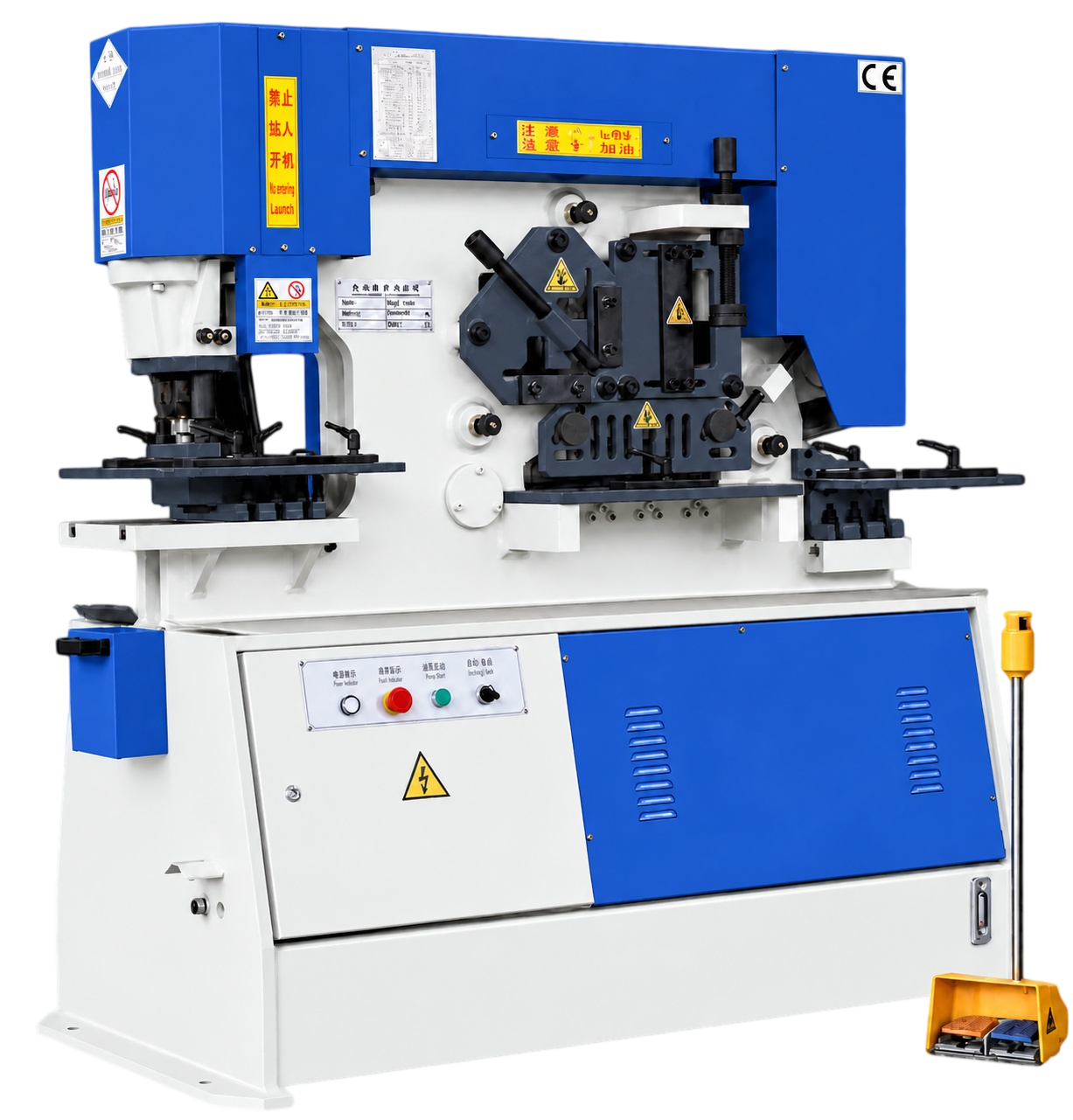
Review punching, shearing and notching as separate tasks, with their own materials, tooling and acceptance checks.
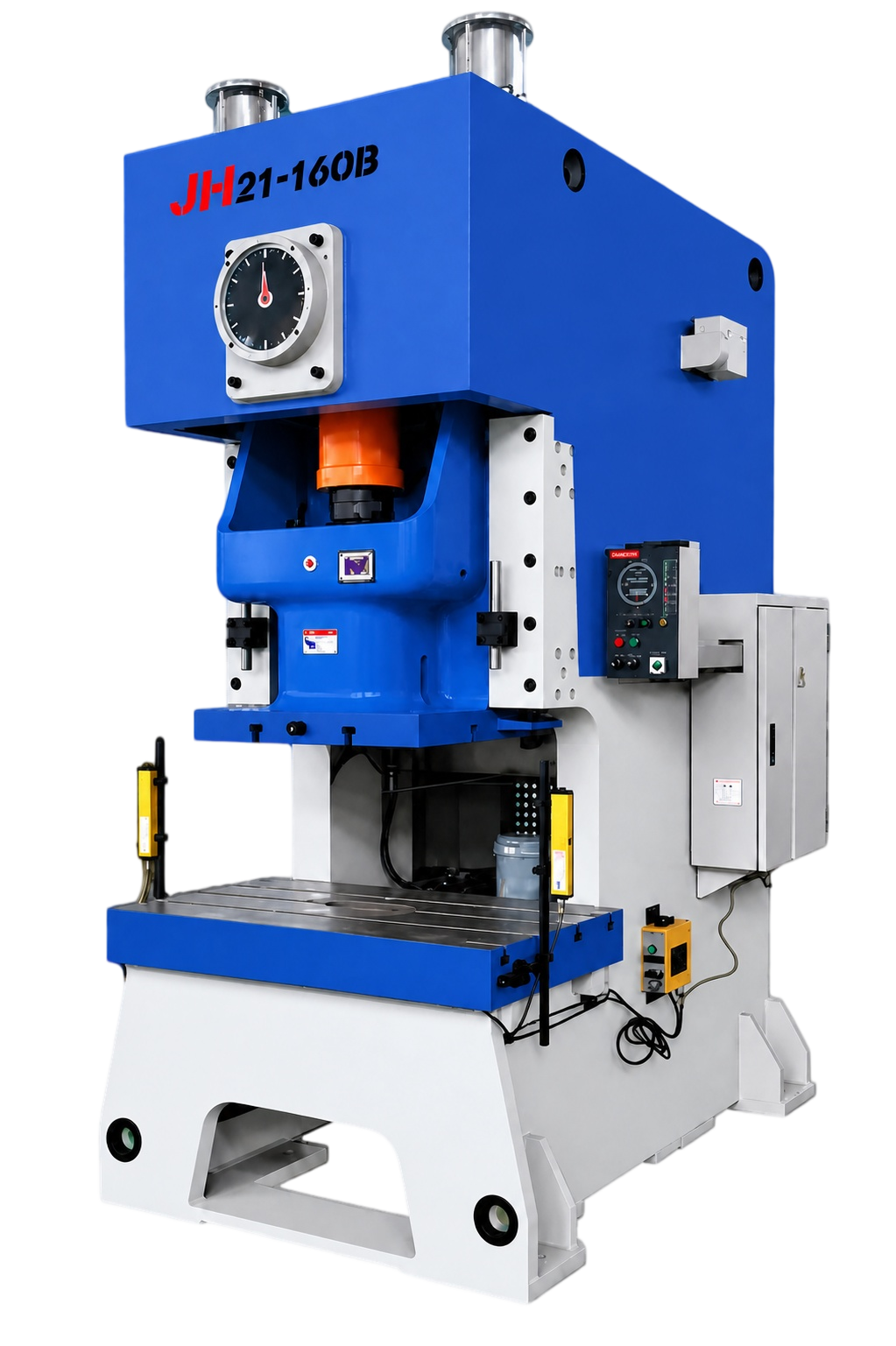
Bring die data, force and energy requirements, feed arrangements and representative parts into one review.
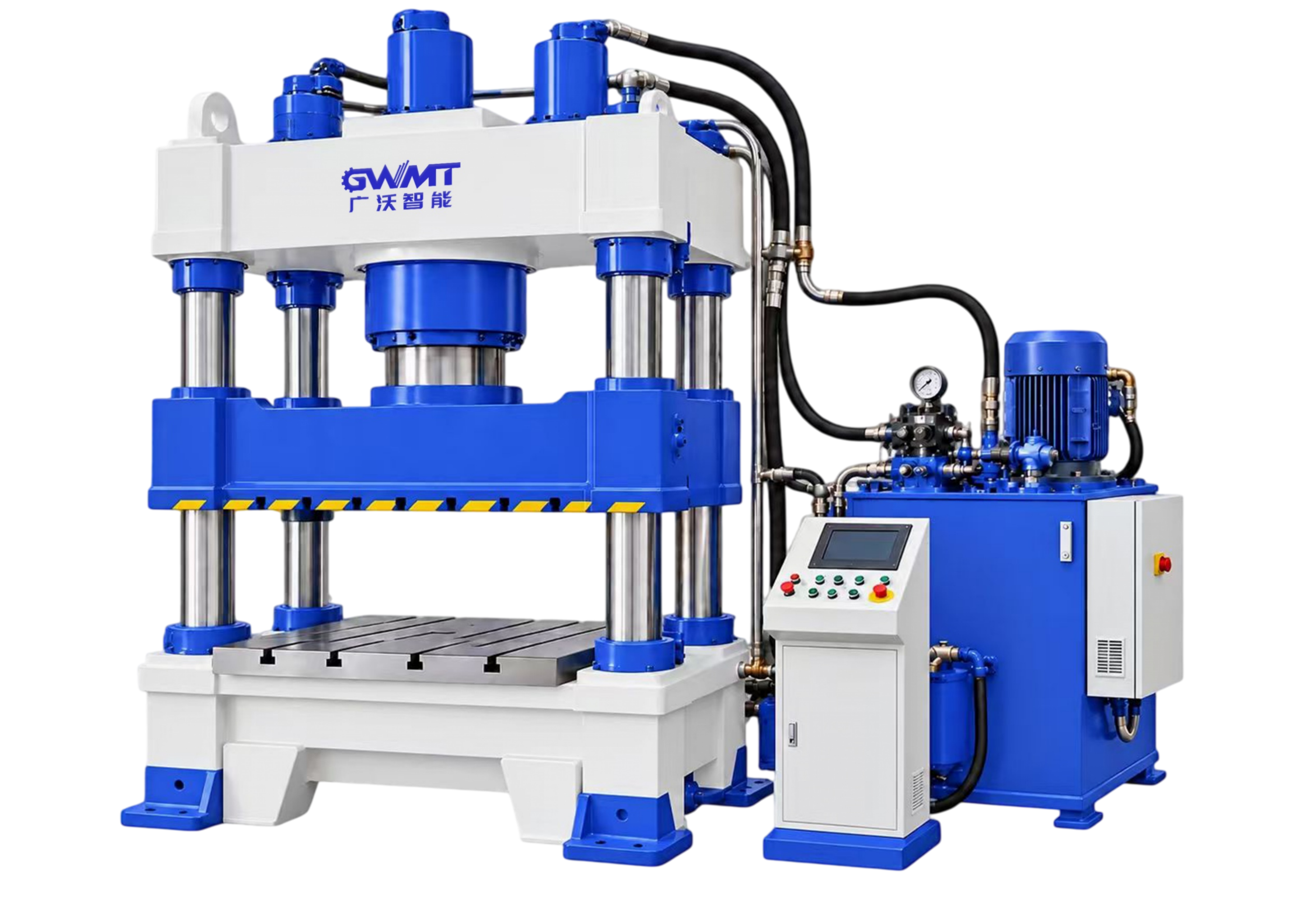
Describe forming duty, force through the stroke, tooling interfaces and acceptance requirements for a useful proposal.
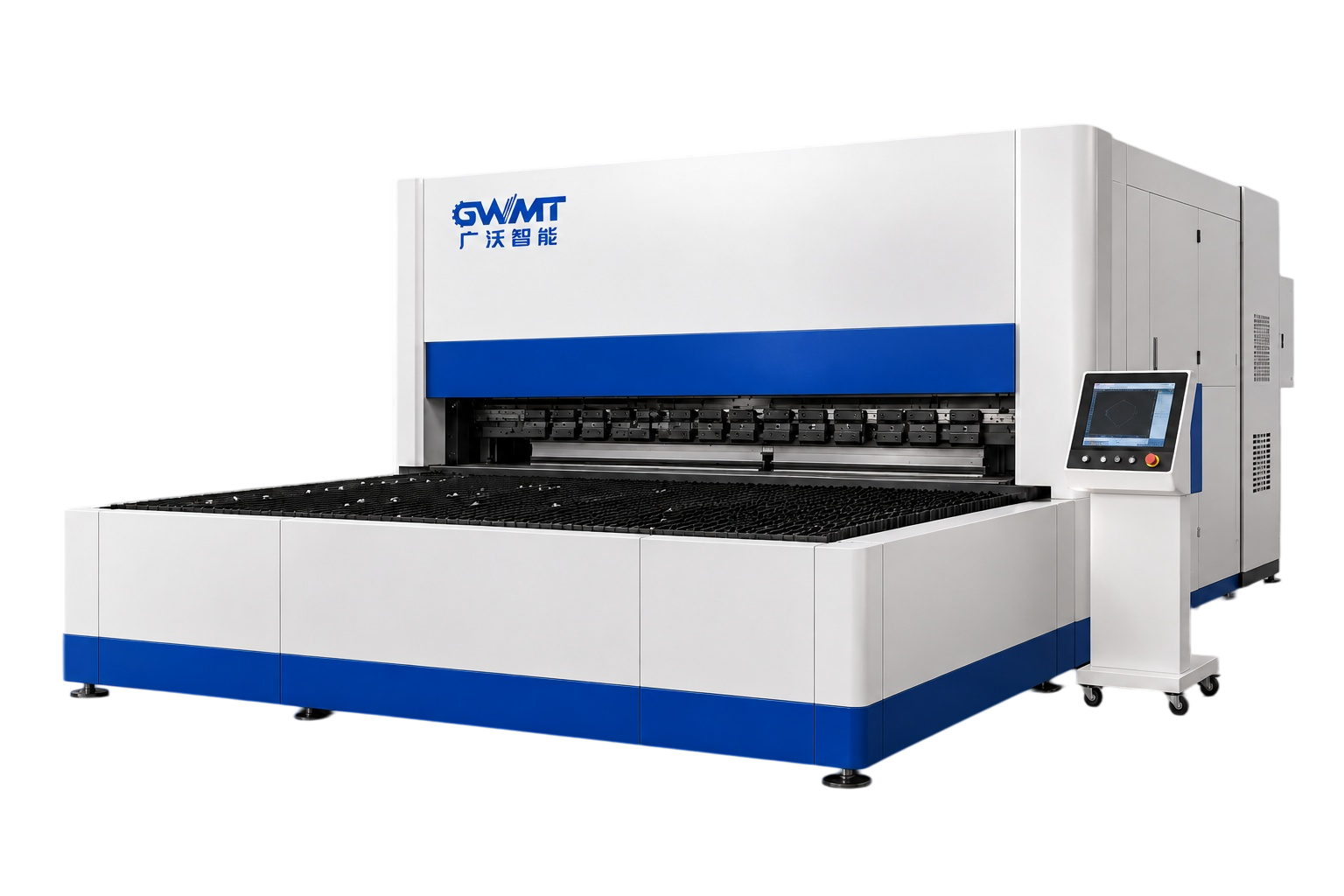
Check panel geometry, bend access, part holding and changeover requirements with a representative part set.
PUBLICATION STATUS
Selection guides and planning documents are available now. Videos and exhibition details remain clearly marked until approved.
NEED APPLICATION-SPECIFIC ANSWERS?